Freestyle Swimming for Kids Singapore – Why Usually First?
Freestyle swimming for kids in Singapore is almost always the first stroke young swimmers learn. Here is why.
By Carol Koh · Fabulous Swim School
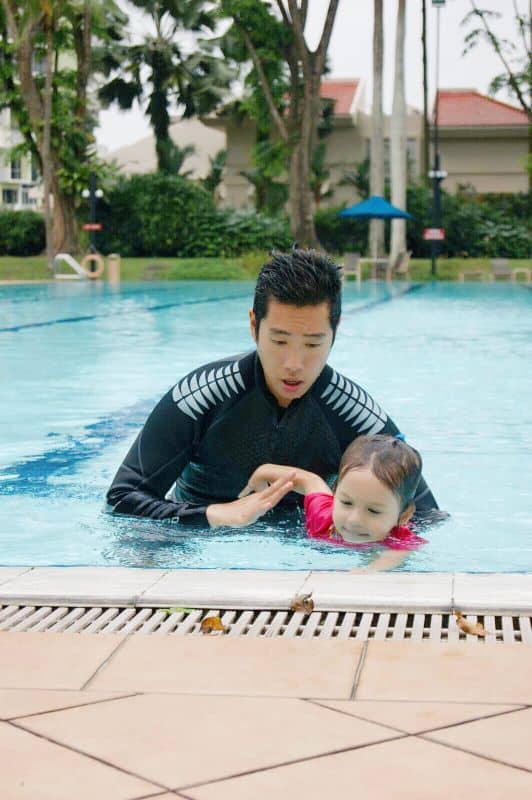
Freestyle swimming for kids in Singapore is almost always the first stroke young swimmers learn. Here's why we teach it first.
1) Freestyle Builds Core Swimming Fundamentals
Freestyle teaches the essential elements that every stroke needs:
- Proper body alignment: A long, "rocket ship" streamline keeps hips high and reduces drag.
- Controlled breathing: Calm exhale in the water, smooth side breath, return to bubbles.
- Strong flutter kicks: Small, fast, hip-driven kicks stabilise the body line.
- Efficient arm movement: Reach, catch, pull and finish near the thigh for propulsion.
Once children feel these building blocks, backstroke and breaststroke become far less intimidating.
2) The Most Natural, Efficient Stroke for Children
For many kids, freestyle feels "natural" because it mirrors everyday reaching and pulling. It also moves them farther, faster at lower effort — so progress is visible and motivating. When children see themselves gliding across the pool, confidence rises and fear falls.
At our indoor heated pool, coaches start with playful tasks — float like a starfish, glide like a rocket, and add "big arms" one at a time — so the stroke grows from movements that already feel safe.
3) Strength, Motor Skills and Body Coordination
Freestyle is a whole-body skill. It develops shoulder mobility, core stability and leg rhythm while improving balance and spatial awareness. Short, fun sets train attention span and body control — crucial for preschool and early primary ages.
4) Early Breathing Control = Long-Term Confidence
Learning a calm side breath is the breakthrough many beginners need. We use simple cues — "bubbles — breathe — bubbles" — so breathing becomes rhythmic, not rushed. Mastering this early removes fear and transfers to backstroke timing and even breaststroke rhythm later.
5) A Strong Foundation for All Future Strokes
- Backstroke: Same flutter kick and long body line; rotating shoulders feels familiar.
- Breaststroke: Breath rhythm and body position carry over; timing is easier when the child already glides well.
- Butterfly: Core control and forward reach are already in place — adding dolphin rhythm is more approachable.
Fun Beginner Drills (Games That Teach Technique)
- Rocket Ship Glides: Push off in streamline, count to 3–5 before kicking. Teaches body line and balance.
- Bubble Trails: Face in, blow bubbles to make a "trail" — then side breath, then bubbles again.
- Paint the Line: One-arm reach and pull while the other arm stays forward — "paint" a straight path down the pool.
- Kick & Reach: 6 fast kicks, then one big reach; repeat. Builds stable kick rhythm with clean arm timing.
- Treasure Breath: Look for a toy on the floor with face in (exhale), turn the head to "tell coach what you saw" (inhale), return to bubbles.
Common Mistakes & Quick Fixes
- Hips sinking: Cue "tummy tall" and "look down". Add a short glide before kicking to feel balance.
- Big splashy kicks: Switch to small, fast hip-driven kicks; ankles relaxed, toes just under the surface.
- Head lifts to breathe: Teach side roll with one goggle in/one out; return to bubbles immediately.
- Short arms: "Reach for superhero stickers" at full extension; finish pull near the thigh.
- Rushed timing: Use 6-kick rhythm or "reach — kick — reach" counting to slow everything down.
FAQs
Is freestyle too hard for beginners?
Not with the right progressions. We start with floats and glides, then add kicks, then arms, and finally side breathing — always child-led.
When can my child start learning freestyle?
Many families begin at 4–6 months for water comfort; formal front-crawl patterns appear gradually in toddler/preschool stages as confidence grows.
Will starting with freestyle confuse my child later?
No. Freestyle builds the core skills — body line, breath control, kick rhythm — that make backstroke and breaststroke easier to learn.
Do you cancel lessons when it rains?
Our indoor heated pool keeps lessons running rain or shine, which is vital for momentum and confidence.
Ready to get your child swimming?
Book a trial at our warm indoor heated pool.
Originally published on fabulousswim.com